Transforming Healthcare
Access in Border Regions

About Akilimali Global Foundation

Akilimali Global Foundation is developing a scalable border health delivery model that improves
access to essential care and diagnostics in underserved, high-mobility corridors,
starting in Kasumbalesa.

Our Mission

To deliver integrated primary healthcare and diagnostic services in border regions where distance, mobility, and fragmented health systems limit timely access to care.

The Foundation focuses on building scalable, locally anchored health infrastructure that improves early diagnosis, maternal health outcomes, and continuity of care in underserved communities.

Our Principles

Our work is guided by core values that ensure sustainable impact and community-centered solutions.

What makes border health different

  • High patient mobility and discontinuity of care
  • Delayed access due to distance from services and referral bottlenecks
  • Higher outbreak risk when surveillance and reporting can’t keep pace with movement
  • Out-of-pocket costs and documentation barriers that suppress early care-seeking

Sustainable Design Features

  • Concept and service model: complete
  • Stakeholder engagement (local + cross-border): in progress
  • Phase 1 preparation (site planning, costing, implementation readiness): in progress
  • Fundraising: underway for Phase 1 delivery and initial operations

Flagship Project

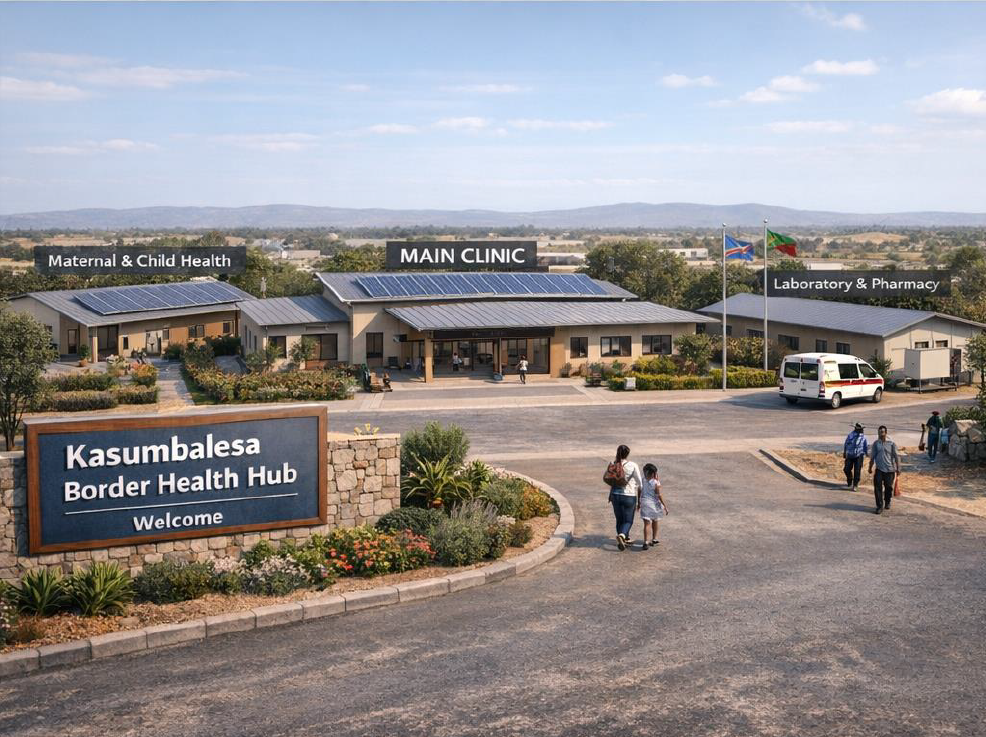
Kasumbalesa Border Health Hub

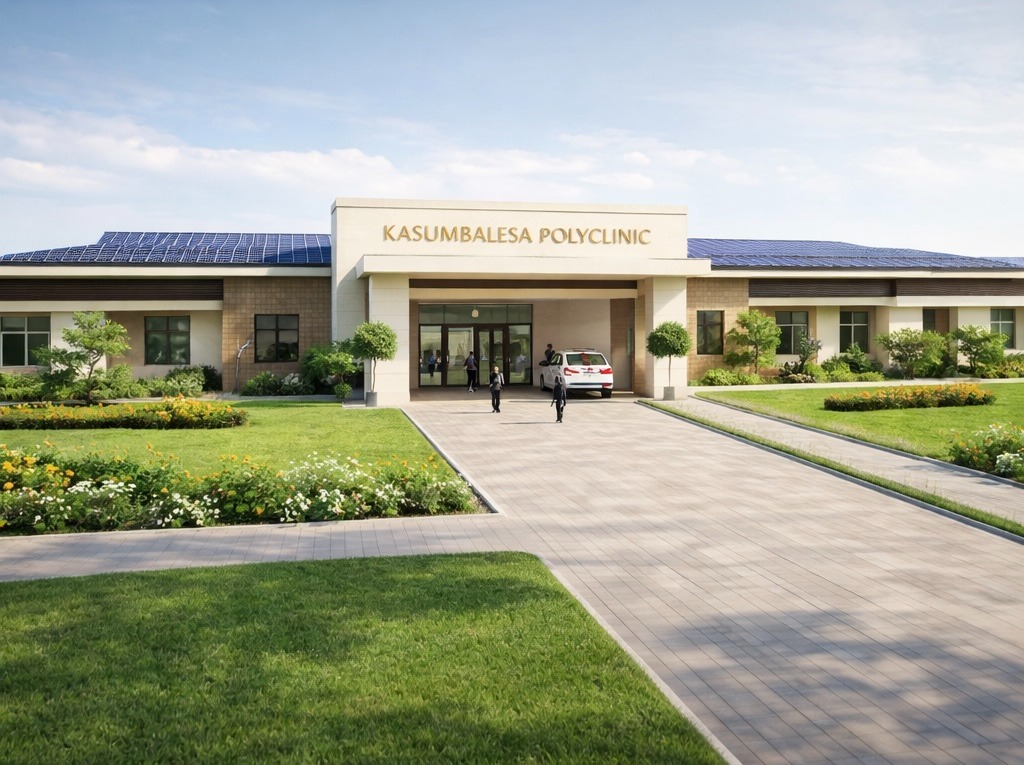
The Kasumbalesa Border Health Hub is a purpose-built healthcare campus designed to address the unique challenges of high-mobility border populations through integrated service delivery and diagnostic capacity.

Model

Infrastructure

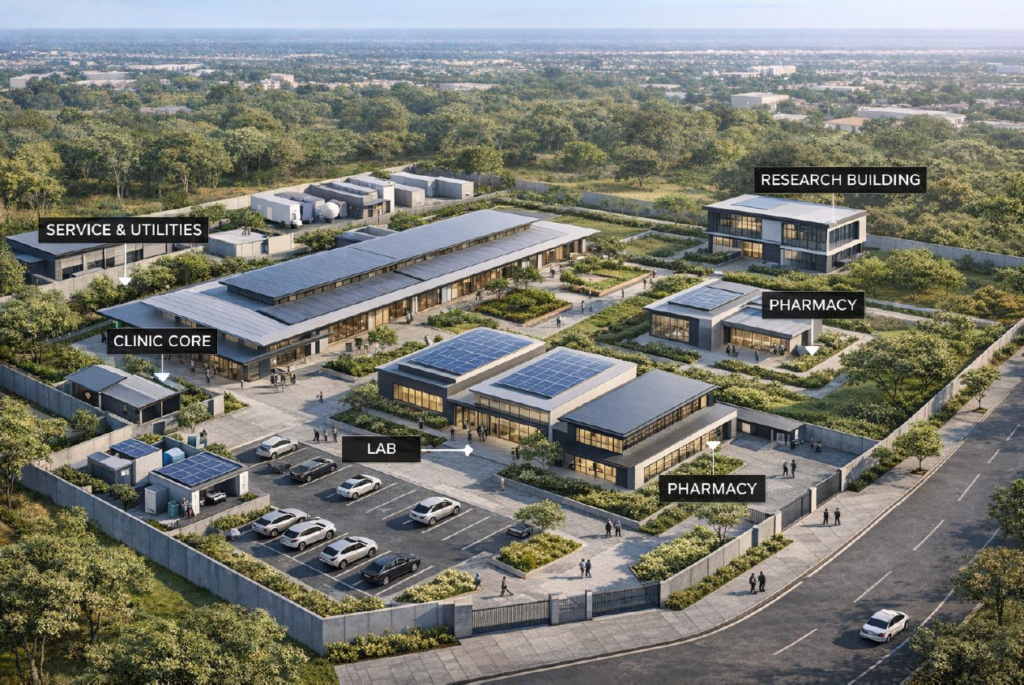
A 15-acre campus featuring modular, expandable facilities designed for border-specific healthcare delivery.

  • Phase 1: Outpatient polyclinic + 24/7 emergency stabilization, lab, and pharmacy

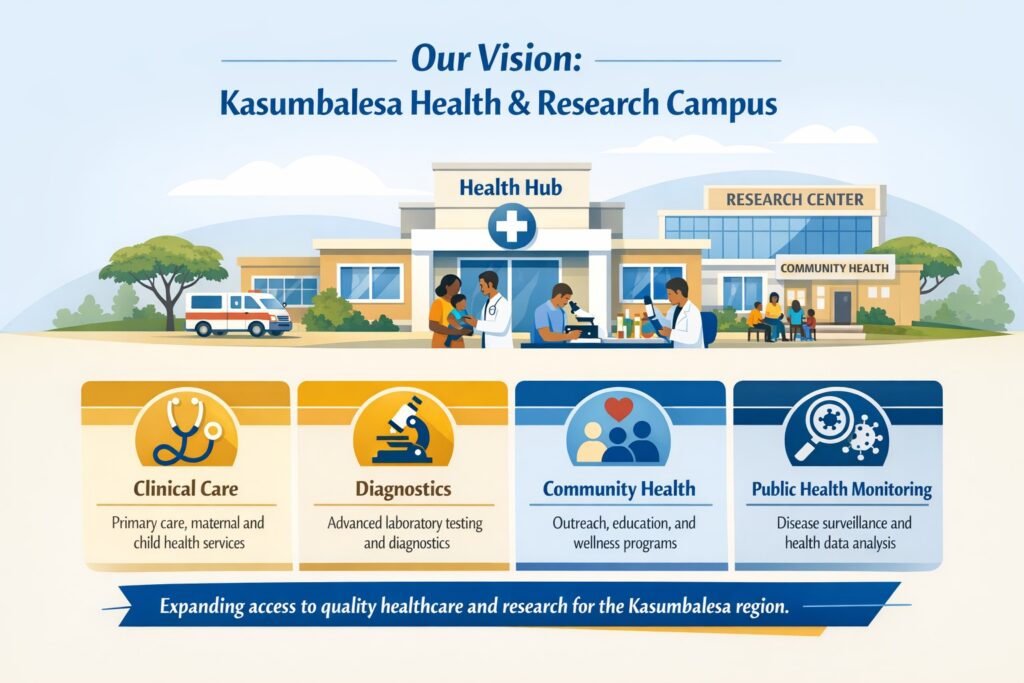
  • Phase 2: Training and research capacity to evaluate and replicate the model

Partners

Multi-stakeholder collaboration ensuring sustainability and comprehensive service delivery.

  • Government agencies (health, immigration, customs)
  • International NGOs and humanitarian organizations
  • Private sector healthcare providers

Project Specifics

Day Polyclinic

Designed for high-throughput outpatient care with surge capacity during peak travel and outbreak periods (designed capacity final modeling pending).

Affordability & Sustainability.

Our Phase 1 operating model is designed to deliver an essential clinical encounter triage,
clinician time, and core point-of-care diagnostics at an average cost of
~$12 per patient encounter (target internal model).

What the ~$12 typically covers

  • Registration + triage
  • Clinical consultation
  • Core rapid tests (as clinically indicated)
  • Essential medicines (per protocol)
  • Referral coordination for higher-acuity cases

How the model stays affordable

  • Standardized clinical pathways and task-shifting
  • Tight formulary + pooled procurement
  • Modular facility plan and phased expansion
  • Digital registration and reporting to reduce overhead and improve follow-up

How operations are sustained
A blended model combining philanthropy for access, service revenue where appropriate, and partnership support for training, diagnostics, and research so essential care remains available to underserved border communities.


Future Research Center

Dedicated facility studying border health dynamics and developing evidence-based interventions.

  • Migration health patterns and disease transmission
  • Cross-border disease surveillance systems
  • Health policy and border governance research

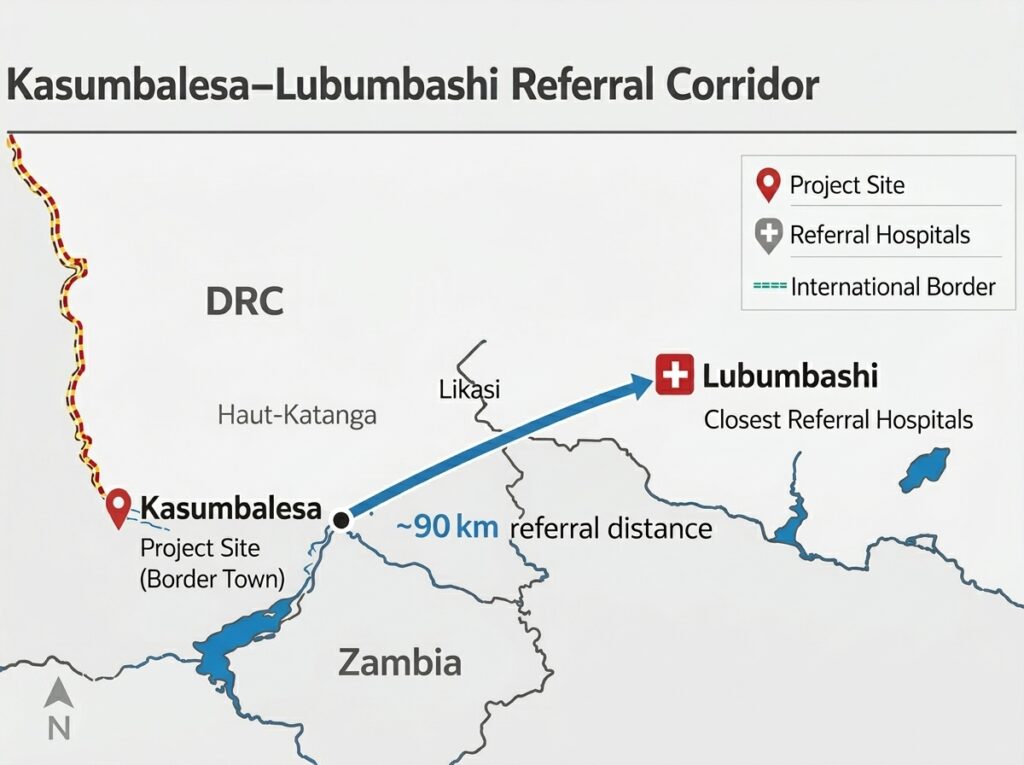
Location Strategy

Cross-Border Position

Strategically positioned 7km from the border crossing to serve both countries effectively.

  • 650–1,200 trucks/day
    Kasumbalesa border throughput (varies by source/year)
  • 141,899 people
    Chililabombwe District population (2022 Census)
  • Phase 1 Operating Hours
    Outpatient services will run Monday–Saturday, 6:00 AM to 8:00 PM (closed Sundays), aligned with the Kasumbalesa border schedule. 

Campus Overview

A comprehensive look at the physical and operational aspects of the Kasumbalesa facility

Concept Rendering

15-Acre Campus Layout

Thoughtfully designed campus with distinct functional zones for clinical, research, and support operations.

Sustainable Design Features

Environmentally conscious architecture optimized for tropical climate and energy efficiency.

  • Solar power systems (target: reduce grid dependency; final performance subject to engineering design)
  • Solar dependency by 60%
  • Rainwater harvesting and on-site water treatment
  • Natural ventilation reducing cooling needs

Clinical Services

Comprehensive healthcare offerings available to the public with extended hours for border workers.

Partnerships

Implementation Partners

On-the-ground organizations ensuring effective program delivery and community engagement

Local NGOs

Community outreach

Ministry of Health

Regulatory support

Training Institutions

Capacity building

Private Sector

Technology & supplies

Funding Strategy

Diversified funding approach ensuring long-term sustainability and programmatic independence

Grants & Donations

75%

Service Revenue

15%

Research Contracts

5%

Training Programs

5%

Contact Us

Get in touch to learn more about partnership opportunities or to support our mission

Get In Touch

Contact Information

Project Site

Philadelphia, PA 19104.

Email

info@akilimaliglobalfoundation.org

Follow Our Progress

Subscribe to our newsletter for updates on project milestones and impact stories.